The Engineering Notebook Behind a Security Device: Records That Can Support an R&D Credit
You already keep engineering records for every device you build. Here is how revision history, test logs, and design reviews can help support an R&D credit.

TL;DR
- For ISC East attendees: the records a security device maker already creates, such as design reviews, revision history, and prototype test logs, can be strong support for an R&D credit claim.
- What helps most is the "why": a short note on the technical problem each build, test, or revision was meant to solve.
- Records also need to connect people and spending to specific projects, and the credit generally stops once a product is ready for commercial production.
Start with what you already have
Building a camera, sensor, access control reader, or other security device generates a trail. There are schematic revisions, board spins, firmware builds, enclosure changes, and a stack of test results. Most of it exists because you need it to ship a good product, not because a tax rule asked for it.
That is good news. The R&D credit (Internal Revenue Code Section 41) does not prescribe a particular record format. The regulations look for information in sufficiently usable form and detail to show the claim. The goal is to recognize which of your existing records do that work, and to fill small gaps going forward.
The records that tend to matter
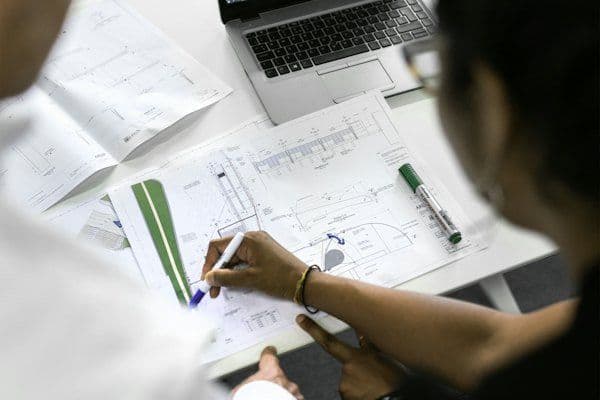
Design reviews and decision notes. Meeting notes or review documents that record a technical question, the options considered, and what was chosen can show the uncertainty you faced up front. A note about why a team moved from one sensor approach to another says more than the final drawing does.
Revision history. Schematic, board layout, mechanical, and firmware version history can show a design evolving through iteration. Commit messages and change orders that say why a change was made are worth their weight.
Prototype build and test logs. Bench tests, thermal and environmental runs, range or detection trials, and failed units all show a process of experimentation. Failures are not a problem. Under Treas. Reg. 1.41-4, research can qualify even if it does not succeed.
Bills of materials and purchase records for prototypes. Supplies consumed in building and testing prototypes may count, so keeping prototype purchases separate from production inventory helps.
Engineering time records. Wages generally count when the work is direct research, direct supervision of it, or direct support of it. Timesheets, project tickets, or calendar-based estimates that link a person to a project help show that connection.
What usually does not qualify
Some activity falls outside the credit, and good records help you draw that line honestly. Routine quality control testing and inspection, research after a product is ready for commercial production, and simply duplicating an existing design are among the exclusions described in IRC Section 41(d)(4). Compliance or certification testing may also be routine rather than experimental, depending on the facts, so it is worth separating it from design-stage iteration in your records.
Three habits that cost almost nothing
- Write one line of "why." When you open a revision, a test, or a build, add a sentence on the problem it addresses. That single line is often the most useful record you will have later.
- Tie people to projects. However your team already tracks time or tasks, make sure each engineer's work can be tied to a named project or product line.
- Mark the handoff to production. Note the date a design is released for commercial production. Work before and after that point is treated differently.
If you are at ISC East, this one is for you
Some of the strongest examples of this kind of record-keeping sit on the show floor at ISC East (Javits Center, November 3 to 5). If you are attending, here is how this applies depending on your business:
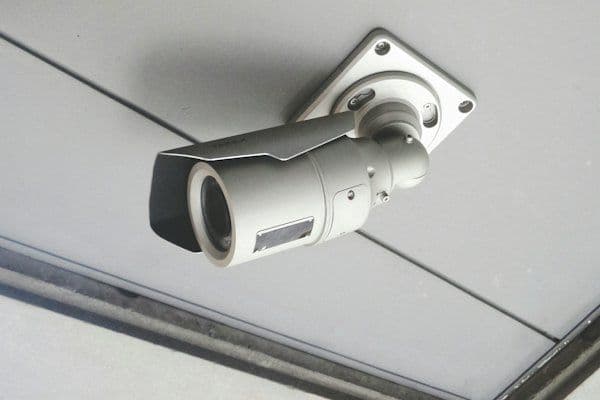
- Device and hardware makers: cameras, readers, sensors, and controllers are exactly the products this post describes. Your design reviews and test logs are the records to protect.
- Robotics and unmanned systems builders: prototype builds, field trials, and failed iterations often make a strong trail. Keep them.
- AV and smart home integrators: if you write custom control logic, drivers, or integration code for client sites, version history and commissioning notes play the same role as a device maker's revision log.
- Software and technology consulting firms: your repositories, tickets, and design documents are your engineering notebook.
- Engineering firms: if you design security systems or infrastructure for clients, your design iterations and calculation revisions are worth capturing too.
It is also a good week to look at what your team is carrying home from the show. New product ideas and customer requests often become next year's development projects, and a one-line note on the problem to solve is easy to write while it is fresh.
Keeping it from becoming a burden
Nobody wants engineers writing essays. The aim is to capture what already exists in one place and add small notes at moments you are already documenting. A study does not require your team to stop building. Strata starts with a $0 initial assessment, a typical study takes about 4 to 8 weeks, and most of the work sits with us. The deliverable is a documentation package built to support the claim.
If you are on your way to ISC East with a new device in hand, this is also a good week to ask which of your records are in shape and which could use a note. Start with a conversation at stratataxgroup.com/contact.
Sources
- Treas. Reg. 1.41-4, Qualified research for credit purposes
- 26 U.S. Code Section 41
- IRS: About Form 6765, Credit for Increasing Research Activities
This post is for informational purposes only and does not constitute tax or legal advice. Consult a qualified tax professional regarding your specific circumstances.
Author
Strata R&D Tax Group